

How does a pressure transmitter work?
Dec 31, 2025
As a seasoned supplier of pressure transmitters, I've witnessed firsthand the pivotal role these devices play in a wide array of industries. From oil and gas to manufacturing and beyond, pressure transmitters are essential for accurately measuring and monitoring pressure in various applications. In this blog post, I'll delve into the inner workings of pressure transmitters, exploring how they function and the key components that make them so reliable.
Understanding Pressure Transmitters
At its core, a pressure transmitter is a device that converts pressure into an electrical signal. This signal can then be used by other systems, such as controllers or data loggers, to monitor and control pressure levels. Pressure transmitters are used in a variety of applications, including industrial process control, HVAC systems, and automotive applications.
There are several types of pressure transmitters available on the market, each designed to meet specific application requirements. Some of the most common types include gauge pressure transmitters, absolute pressure transmitters, and differential pressure transmitters. Gauge pressure transmitters measure pressure relative to atmospheric pressure, while absolute pressure transmitters measure pressure relative to a perfect vacuum. Differential pressure transmitters, on the other hand, measure the difference in pressure between two points.
How Does a Pressure Transmitter Work?
The basic principle behind a pressure transmitter is relatively simple. It consists of a pressure sensor, which is typically a diaphragm or a strain gauge, and a signal conditioning circuit. When pressure is applied to the sensor, it causes a deformation or a change in resistance, which is then converted into an electrical signal by the signal conditioning circuit.
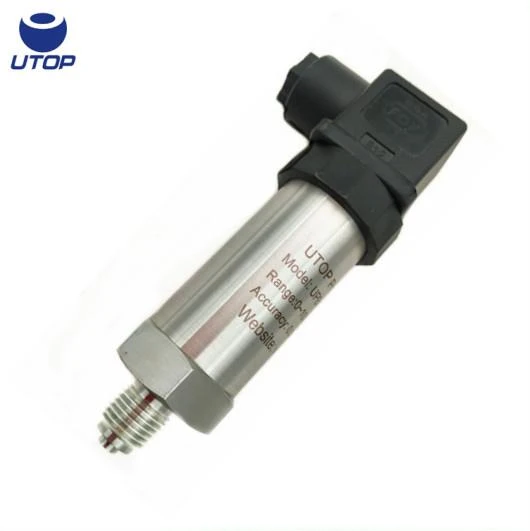
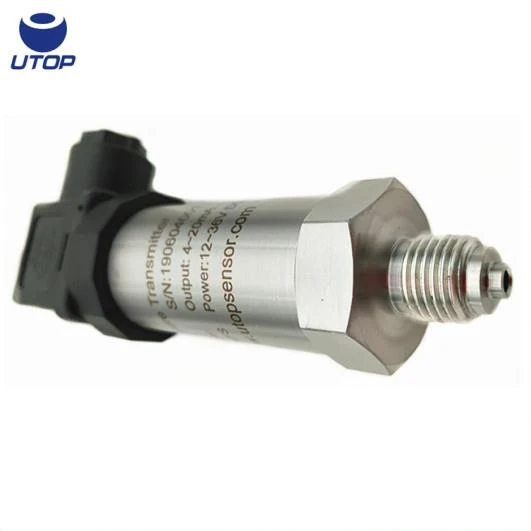
Let's take a closer look at the key components of a pressure transmitter and how they work together to measure and transmit pressure.
Pressure Sensor
The pressure sensor is the heart of a pressure transmitter. It is responsible for converting the pressure into a physical change, such as a deformation or a change in resistance. There are several types of pressure sensors available, each with its own advantages and disadvantages.
One of the most common types of pressure sensors is the diaphragm sensor. This type of sensor consists of a thin diaphragm that is made of a flexible material, such as stainless steel or silicon. When pressure is applied to the diaphragm, it causes it to deform, which in turn changes the capacitance or the resistance of the sensor. This change in capacitance or resistance is then converted into an electrical signal by the signal conditioning circuit.
Another type of pressure sensor is the strain gauge sensor. This type of sensor consists of a thin wire or a foil that is attached to a diaphragm or a cantilever beam. When pressure is applied to the diaphragm or the cantilever beam, it causes the wire or the foil to stretch or compress, which in turn changes its resistance. This change in resistance is then converted into an electrical signal by the signal conditioning circuit.
Signal Conditioning Circuit
The signal conditioning circuit is responsible for amplifying, filtering, and converting the electrical signal from the pressure sensor into a standard output signal, such as 4-20 mA or 0-10 V. This output signal can then be used by other systems, such as controllers or data loggers, to monitor and control pressure levels.
The signal conditioning circuit typically consists of an amplifier, a filter, and a converter. The amplifier is used to amplify the weak electrical signal from the pressure sensor, while the filter is used to remove any noise or interference from the signal. The converter is used to convert the amplified and filtered signal into a standard output signal.
Output Signal
The output signal of a pressure transmitter is typically a standard electrical signal, such as 4-20 mA or 0-10 V. This output signal is proportional to the pressure being measured, with 4 mA or 0 V representing the minimum pressure and 20 mA or 10 V representing the maximum pressure.
The output signal of a pressure transmitter can be used by other systems, such as controllers or data loggers, to monitor and control pressure levels. For example, in an industrial process control application, the output signal of a pressure transmitter can be used to control the flow of a fluid or the operation of a valve.
Key Features and Benefits of Pressure Transmitters
Pressure transmitters offer several key features and benefits that make them an ideal choice for a wide range of applications. Some of the most important features and benefits include:
Accuracy
Pressure transmitters are designed to provide accurate and reliable pressure measurements. They are typically calibrated to a high degree of accuracy, with an accuracy of ±0.1% or better. This high level of accuracy ensures that the pressure measurements are reliable and can be used for critical applications.
Reliability
Pressure transmitters are built to withstand harsh environments and extreme conditions. They are typically made of high-quality materials, such as stainless steel or titanium, and are designed to be resistant to corrosion, vibration, and shock. This makes them ideal for use in industrial applications, where reliability is crucial.
Versatility
Pressure transmitters are available in a variety of configurations and options, making them suitable for a wide range of applications. They can be used to measure gauge pressure, absolute pressure, or differential pressure, and can be configured to provide a variety of output signals, such as 4-20 mA, 0-10 V, or digital signals.
Easy Installation and Maintenance
Pressure transmitters are relatively easy to install and maintain. They typically come with a standard mounting bracket and a cable, which makes them easy to install in a variety of locations. They also require minimal maintenance, as they are designed to be self-calibrating and self-diagnosing.
Applications of Pressure Transmitters
Pressure transmitters are used in a wide range of applications, including industrial process control, HVAC systems, and automotive applications. Some of the most common applications of pressure transmitters include:
Industrial Process Control
In industrial process control applications, pressure transmitters are used to monitor and control the pressure of fluids and gases in pipelines, tanks, and other equipment. They are used to ensure that the pressure levels are within the specified range, and to prevent overpressure or underpressure conditions.
HVAC Systems
In HVAC systems, pressure transmitters are used to monitor and control the pressure of air and refrigerant in the system. They are used to ensure that the system is operating efficiently and to prevent damage to the equipment.
Automotive Applications
In automotive applications, pressure transmitters are used to monitor and control the pressure of fluids and gases in the engine, transmission, and other systems. They are used to ensure that the engine is operating efficiently and to prevent damage to the equipment.
Our Pressure Transmitter Products
As a leading supplier of pressure transmitters, we offer a wide range of products to meet the needs of our customers. Our products include Pressure Transmitter with LCD Indicator, Customized Pressure Transmitter, and Explosion Proof Pressure Transmitter.
Our pressure transmitters are designed to provide accurate and reliable pressure measurements in a variety of applications. They are built to withstand harsh environments and extreme conditions, and are available in a variety of configurations and options to meet the specific needs of our customers.
Contact Us for Procurement and Negotiation
If you're interested in purchasing pressure transmitters for your application, we invite you to contact us for procurement and negotiation. Our team of experts will be happy to assist you in selecting the right product for your needs and to provide you with a competitive quote.
We understand that every customer has unique requirements, and we are committed to providing customized solutions to meet those needs. Whether you need a standard pressure transmitter or a customized solution, we have the expertise and the resources to deliver the right product for your application.
References
- "Pressure Transmitters: Principles, Design, and Applications" by John A. Dutton
- "Industrial Instrumentation and Control Handbook" by Bela G. Liptak
- "Measurement, Instrumentation, and Sensors Handbook" by John G. Webster