

Can a water pressure sensor be used in a chemical plant?
Mar 18, 2026
Can a water pressure sensor be used in a chemical plant? This blog will explain why water pressure sensors can indeed be a valuable asset in a chemical plant setting.
First off, let's understand what a water pressure sensor does. Simply put, it's a device that measures the pressure of water in a system. It converts the pressure into an electrical signal that can be read and analyzed. This is super useful in many industries, and chemical plants are no exception.
In a chemical plant, there are various processes that involve the flow of liquids, including water. Maintaining the right pressure in these systems is crucial for the safety and efficiency of the operations. For example, in a cooling system, water is used to remove heat from chemical reactions. If the water pressure is too low, the cooling might not be effective, which could lead to overheating and potentially dangerous situations. On the other hand, if the pressure is too high, it could cause damage to the pipes and equipment.
Water pressure sensors can help monitor and control these pressure levels. They can be installed at different points in the water - distribution system within the chemical plant. When the pressure deviates from the set range, the sensor sends a signal to the control system. This allows operators to take corrective actions, such as adjusting the flow rate of the water or checking for blockages in the pipes.
Now, let's talk about the different types of water pressure sensors that can be used in a chemical plant. One option is the Silicon Pressure Sensor. These sensors are known for their high accuracy and reliability. They can measure a wide range of pressures and are often used in applications where precise pressure readings are required. Silicon pressure sensors are also relatively small and can be easily integrated into existing systems.
Another type is the Flush Pressure Sensor. These sensors are designed to be flush - mounted, which means they can be installed directly into a pipe or tank without any protrusions. This is useful in chemical plants where there might be a risk of the sensor getting clogged by debris or chemicals. Flush pressure sensors are also more resistant to corrosion, which is a big plus in a chemical environment.
The Metal Capacitive Pressure Sensor is another great choice. These sensors work by measuring the change in capacitance due to the pressure applied. They are very sensitive and can provide accurate readings even in harsh conditions. Metal capacitive pressure sensors are also durable and can withstand high temperatures and pressures, making them suitable for use in chemical plants.
However, using water pressure sensors in a chemical plant isn't without its challenges. Chemicals can be corrosive, and they can damage the sensors over time. That's why it's important to choose sensors that are made from materials that are resistant to the specific chemicals used in the plant. For example, if the plant uses acidic chemicals, sensors with a coating or made from materials like stainless steel or titanium might be a better choice.
Also, the sensors need to be properly calibrated and maintained. Regular calibration ensures that the sensors are providing accurate readings, and proper maintenance helps prevent malfunctions. This might involve cleaning the sensors, checking for any signs of damage, and replacing any worn - out parts.
In addition to monitoring water pressure in cooling systems, water pressure sensors can also be used in other areas of a chemical plant. For instance, in water treatment processes, they can help ensure that the water used in the plant meets the required quality standards. By monitoring the pressure, operators can detect any issues with the filtration or purification systems.
They can also be used in wastewater management. In a chemical plant, wastewater needs to be treated before it's discharged. Water pressure sensors can be used to monitor the flow and pressure of the wastewater as it goes through the treatment process. This helps ensure that the treatment is effective and that the wastewater is safe to be released into the environment.
So, to answer the question, yes, a water pressure sensor can definitely be used in a chemical plant. It offers many benefits, including improved safety, efficiency, and better control over the processes. If you're running a chemical plant and are considering using water pressure sensors, I'd be more than happy to discuss your specific needs.

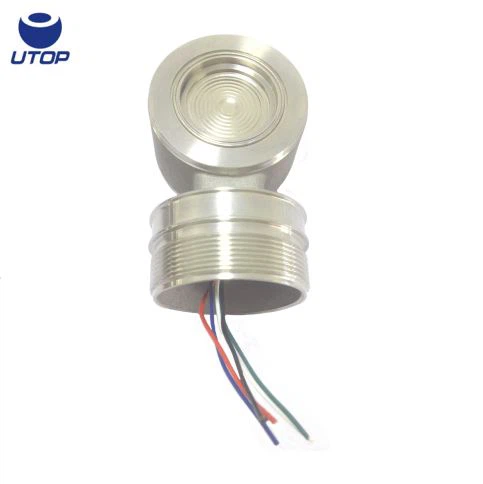
Whether you're looking for a silicon pressure sensor, a flush pressure sensor, or a metal capacitive pressure sensor, we have a wide range of options to suit your requirements. Our team of experts can help you choose the right sensor for your application and provide support throughout the installation and maintenance process.
If you're interested in learning more about our water pressure sensors or want to discuss a potential purchase, feel free to reach out. We're here to help you find the best solution for your chemical plant's needs.
References
- General knowledge of pressure sensor applications in industrial settings.
- Technical specifications of various pressure sensors provided by sensor manufacturers.