

What is the resolution of a HART Level Sensor?
Dec 31, 2025
What is the resolution of a HART Level Sensor?
In the realm of industrial instrumentation, level sensors play a crucial role in ensuring the smooth and safe operation of various processes. Among the different types of level sensors available, the HART (Highway Addressable Remote Transducer) level sensor stands out for its advanced communication capabilities and high - precision measurement. As a leading supplier of HART level sensors, I am often asked about the resolution of these sensors, which is a key parameter that significantly impacts their performance.
Understanding Resolution
Resolution refers to the smallest change in the measured variable (in this case, the liquid level) that a sensor can detect and represent. In technical terms, it is the smallest increment of the input that can be distinguished by the output signal of the sensor. For a HART level sensor, a high resolution means that it can provide more detailed and accurate information about the liquid level, which is essential for precise control and monitoring in industrial applications.
Let's consider an example. Suppose we have a storage tank with a maximum level of 10 meters. A HART level sensor with a resolution of 1 millimeter can detect changes in the liquid level as small as 1 millimeter. This high level of detail allows for very precise control of filling and emptying processes, reducing the risk of over - filling or under - filling, which can cause safety hazards and production loss.
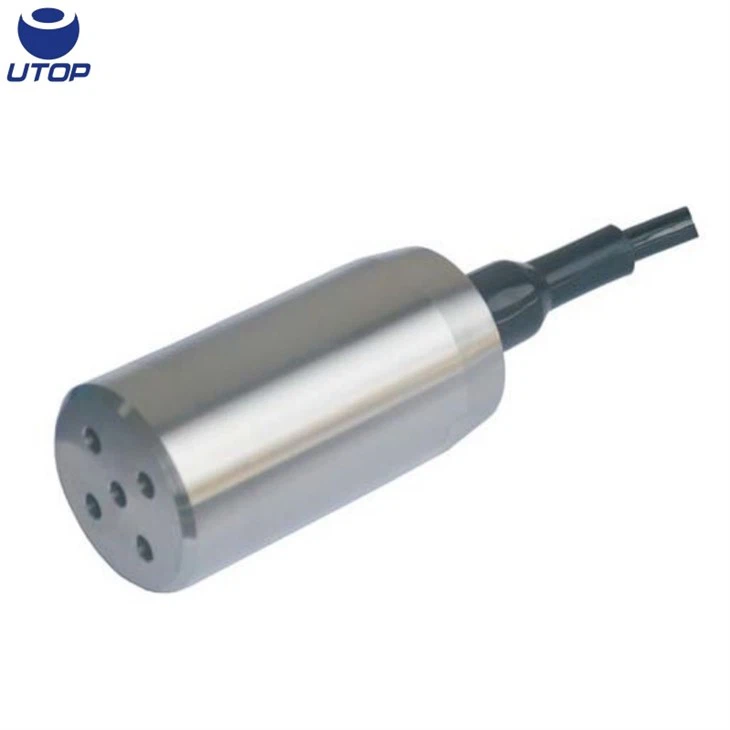

Factors Affecting the Resolution of HART Level Sensors
Sensor Technology
There are different technologies used in HART level sensors, each with its own unique characteristics that affect resolution. For instance, ultrasonic level sensors use sound waves to measure the distance to the liquid surface. The resolution of an ultrasonic HART level sensor is influenced by the frequency of the ultrasonic wave and the signal processing capabilities. Higher - frequency ultrasonic waves can provide better resolution as they can detect smaller changes in the distance to the liquid surface.
On the other hand, radar level sensors work by emitting electromagnetic waves and measuring the time it takes for the waves to bounce back from the liquid surface. Radar sensors generally offer high resolution, especially in applications where the liquid has a high dielectric constant. The resolution of radar HART level sensors can be improved by using advanced signal processing algorithms and high - frequency radar waves.
Signal Processing
The signal processing unit in a HART level sensor is responsible for converting the raw sensor data into a meaningful output. Advanced signal processing techniques can enhance the resolution of the sensor. For example, digital filtering can be used to remove noise from the sensor signal, allowing for more accurate detection of small changes in the liquid level. Additionally, interpolation algorithms can be employed to estimate the level between the discrete measurement points, effectively increasing the resolution of the sensor.
Environmental Conditions
Environmental factors such as temperature, pressure, and humidity can also affect the resolution of a HART level sensor. For example, temperature variations can cause the expansion or contraction of the sensor components, which can lead to measurement errors. To compensate for these effects, HART level sensors are often equipped with temperature compensation circuits. Additionally, changes in pressure can affect the density of the liquid, which in turn can influence the level measurement. Sensors with built - in pressure compensation can maintain a high level of resolution even under varying pressure conditions.
Importance of Resolution in Industrial Applications
Precise Process Control
In industries such as chemical, food and beverage, and pharmaceutical, precise control of liquid levels is essential for maintaining product quality and ensuring safety. A HART level sensor with high resolution allows for accurate monitoring of the liquid level in tanks and vessels, enabling operators to make timely adjustments to the filling and emptying processes. This helps to prevent product quality issues caused by over - or under - filling, as well as safety hazards associated with spills and leaks.
Inventory Management
Accurate level measurement is crucial for effective inventory management. By using HART level sensors with high resolution, companies can obtain real - time information about the quantity of liquid stored in their tanks. This information can be used to optimize inventory levels, reduce waste, and plan for future production requirements. For example, in the oil and gas industry, high - resolution level sensors are used to monitor the oil level in storage tanks, enabling companies to accurately track inventory and plan for transportation and distribution.
Our HART Level Sensor Offerings
As a supplier of HART level sensors, we offer a wide range of products to meet the diverse needs of our customers. Our Ceramic Capacitive Level Transmitter is a high - performance sensor that offers excellent resolution and reliability. It uses advanced ceramic capacitive technology to provide accurate level measurements even in harsh industrial environments. The ceramic material is resistant to corrosion and wear, ensuring long - term stability and performance.
Our PVDF Housing Level Sensor is another popular choice. The PVDF housing provides excellent chemical resistance, making it suitable for use in applications involving corrosive liquids. This sensor also offers high resolution and can be easily integrated into existing industrial control systems using the HART communication protocol.
For applications where temperature measurement is also required, our Temperature and Level Sensor is an ideal solution. This sensor combines the functionality of a level sensor and a temperature sensor in a single unit, providing comprehensive measurement data. The high resolution of both the level and temperature measurement channels ensures precise control and monitoring of the process.
Contact Us for Procurement and Consultation
If you are in the market for high - quality HART level sensors, we are here to help. Our team of experts has extensive knowledge and experience in the field of level measurement and can provide you with the best solutions for your specific application. Whether you need a single sensor or a complete level measurement system, we can offer you a customized solution that meets your requirements.
We understand the importance of cost - effectiveness and reliability in industrial applications. That's why our HART level sensors are designed to provide high performance at a competitive price. We also offer comprehensive after - sales support, including installation, calibration, and maintenance services.
Don't hesitate to contact us to discuss your procurement needs and to learn more about our HART level sensors. Our sales team is ready to answer all your questions and guide you through the selection process. Let us help you improve the efficiency and safety of your industrial processes with our high - resolution HART level sensors.
References
- Brown, A. R. (2015). Industrial Instrumentation and Control Systems. McGraw - Hill Education.
- Nichols, N. K. (2018). Process Control for the Chemical and Pharmaceutical Industries. Wiley - Blackwell.
- ISA - 5.1 - 2009 (R2016). Instrumentation Symbols and Identification. International Society of Automation.