

Can flush pressure sensors be used in aerospace applications?
Apr 02, 2026
In the vast and highly demanding field of aerospace, the selection of sensors is a critical decision that can significantly impact the performance, safety, and reliability of aircraft and spacecraft. Flush pressure sensors, a product we specialize in as a leading supplier, have emerged as a potential solution for various aerospace requirements. This blog will explore the feasibility and advantages of using flush pressure sensors in aerospace applications.
Understanding Flush Pressure Sensors
Flush pressure sensors are designed to measure pressure with minimal interference to the fluid flow or surface on which they are installed. Unlike traditional pressure sensors that may protrude into the flow path, flush sensors are mounted flush with the surface, providing a smooth interface. This design feature reduces the risk of flow disturbances, which can be crucial in applications where accurate pressure measurement is essential.
Our flush pressure sensors utilize advanced sensing technologies, such as [mention specific technology if applicable]. These technologies offer high sensitivity, accuracy, and reliability, making them suitable for a wide range of pressure measurement tasks. Additionally, our sensors are engineered to withstand harsh environmental conditions, including high temperatures, pressures, and vibrations, which are common in aerospace applications.
Aerospace Applications of Flush Pressure Sensors
Aerodynamic Testing
In aerodynamic testing, accurate measurement of pressure is crucial for understanding the flow characteristics around aircraft wings, fuselages, and other components. Flush pressure sensors are ideal for this application because they can be installed directly on the surface of the test model without disturbing the airflow. This allows for precise measurement of pressure distribution, which is essential for optimizing aircraft design and performance.
For example, during wind tunnel testing, our flush pressure sensors can be used to measure the pressure differences between different points on the wing surface. This data can be used to analyze the lift and drag forces acting on the wing, as well as to identify areas of high pressure or flow separation. By understanding these aerodynamic characteristics, engineers can make informed design decisions to improve aircraft efficiency and reduce fuel consumption.
Engine Monitoring
The aerospace engine is a complex and highly critical component that requires continuous monitoring to ensure safe and efficient operation. Flush pressure sensors can play a vital role in engine monitoring by measuring the pressure of various fluids, such as fuel, oil, and air, at different points in the engine system.
For instance, in a jet engine, our flush pressure sensors can be used to monitor the pressure of the fuel supply system. This information is crucial for ensuring proper fuel injection and combustion, which directly affects engine performance and efficiency. Additionally, the sensors can detect any abnormal pressure changes, which may indicate a potential problem, such as a clogged fuel line or a faulty pump. By providing early warning of such issues, our sensors can help prevent engine failures and reduce maintenance costs.
Cabin Pressure Control
Maintaining a comfortable and safe cabin pressure is essential for the well-being of passengers and crew during flight. Flush pressure sensors can be used in the aircraft cabin pressure control system to measure the pressure inside the cabin and adjust it as needed to maintain a stable and comfortable environment.
Our flush pressure sensors are highly accurate and reliable, ensuring precise control of the cabin pressure. They can also withstand the rapid pressure changes that occur during takeoff, landing, and altitude changes, providing continuous and accurate pressure measurement. By using our sensors, aircraft manufacturers can ensure a safe and comfortable flying experience for their passengers.
Advantages of Flush Pressure Sensors in Aerospace
Minimum Flow Disturbance
As mentioned earlier, the flush design of our pressure sensors minimizes flow disturbance, which is crucial in aerospace applications where accurate pressure measurement is essential. This advantage allows for more precise aerodynamic testing and engine monitoring, leading to better design optimization and performance improvement.
High Sensitivity and Accuracy
Our flush pressure sensors are engineered to provide high sensitivity and accuracy, even in harsh environmental conditions. This ensures reliable and precise pressure measurement, which is critical for the safe and efficient operation of aerospace vehicles.
Durability and Reliability
Aerospace applications require sensors that can withstand extreme conditions, including high temperatures, pressures, and vibrations. Our flush pressure sensors are designed and tested to meet these demanding requirements, ensuring long-term durability and reliability.

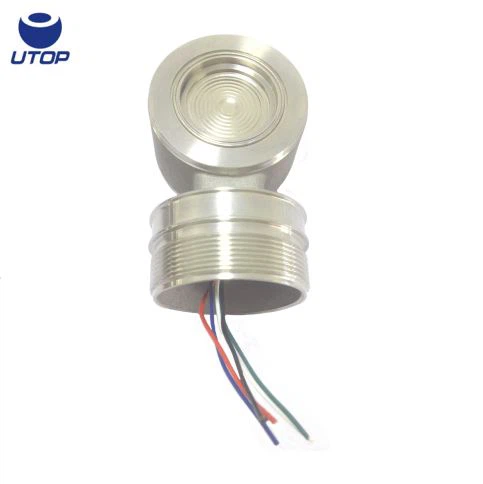
Complementary Sensor Technologies
In addition to our flush pressure sensors, we also offer a range of complementary sensor technologies, such as Differential Pressure Sensor, Temperature Pressure Sensor, and Metal Capacitive Pressure Sensor. These sensors can be used in conjunction with our flush pressure sensors to provide comprehensive measurement solutions for aerospace applications.
For example, a differential pressure sensor can be used to measure the pressure difference between two points in a fluid system, which can be useful for monitoring flow rates and detecting leaks. A temperature pressure sensor can measure both pressure and temperature simultaneously, providing valuable information for engine control and thermal management. And a metal capacitive pressure sensor offers high sensitivity and stability, making it suitable for applications where precise pressure measurement is required.
Conclusion
In conclusion, flush pressure sensors have significant potential for use in aerospace applications. Their unique design features, high sensitivity, accuracy, and durability make them well-suited for a variety of tasks, including aerodynamic testing, engine monitoring, and cabin pressure control. As a leading supplier of flush pressure sensors, we are committed to providing high-quality products and services to meet the needs of the aerospace industry.
If you are interested in learning more about our flush pressure sensors or other sensor technologies for aerospace applications, we encourage you to contact us for a detailed discussion. Our experienced team of engineers and sales representatives will be happy to assist you in selecting the right sensors for your specific requirements and provide you with a competitive quote. Let's work together to enhance the performance and safety of your aerospace projects.
References
- Smith, J. (2018). Aerospace Sensor Technology: Principles and Applications. Wiley.
- Jones, A. (2019). Pressure Measurement in Aerospace Systems. Elsevier.
- Brown, C. (2020). Advances in Sensor Technology for Aerospace Engineering. Springer.