

How to clean a pressure transducer?
Jan 02, 2026
Hey there! As a supplier of pressure transducers, I know how crucial it is to keep these devices clean. A well - maintained pressure transducer not only ensures accurate readings but also extends its lifespan. In this blog, I'll walk you through the steps on how to clean a pressure transducer.
Why Cleaning is Important
Before we dive into the cleaning process, let's talk about why it's so important to clean your pressure transducer. Over time, dirt, dust, and other contaminants can accumulate on the surface of the transducer. This buildup can interfere with the transducer's ability to accurately measure pressure. For example, if there's a layer of dust on the sensing element, it might give false readings, which can be a big problem in industries where precise pressure measurements are critical, like manufacturing or automotive.
Types of Pressure Transducers
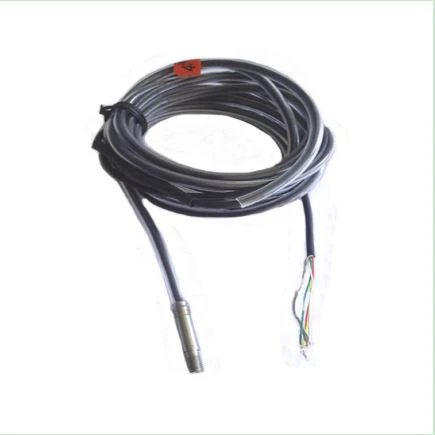
There are different types of pressure transducers, and the cleaning process might vary a bit depending on the type. We have Liquid Pressure Transducer, Water Pressure Transducer, and Differential Pressure Transducer.
Liquid pressure transducers are used to measure the pressure of liquids. They can be exposed to various types of fluids, some of which might leave residues. Water pressure transducers, as the name suggests, deal with water pressure. They can get dirty from minerals and other impurities in the water. Differential pressure transducers measure the difference in pressure between two points. They need to be clean to accurately detect these differences.
Pre - Cleaning Preparations
First things first, you need to gather the necessary tools and materials. You'll need a soft brush, like a small paintbrush or a makeup brush. These are great for gently removing loose dirt and dust. You'll also need a clean, lint - free cloth. Microfiber cloths work really well as they don't leave behind any fibers.
Another important thing is to make sure you have a suitable cleaning solution. For most pressure transducers, a mild soap and water solution will do the trick. Avoid using harsh chemicals as they can damage the transducer. If you're dealing with a transducer that has been exposed to oil or grease, you might need a specialized degreaser, but make sure it's safe for the transducer's materials.
Before you start cleaning, you have to turn off the power to the pressure transducer. This is a safety precaution to prevent any electrical shocks or damage to the device. You should also disconnect the transducer from any pressure sources. This will prevent any pressure changes during the cleaning process that could affect the transducer's calibration.
Cleaning the Exterior
Start by using the soft brush to gently brush away any loose dirt and dust from the exterior of the pressure transducer. Pay special attention to the corners and crevices where dirt can accumulate. Be careful not to apply too much pressure as you don't want to damage any of the components.
Once you've removed the loose dirt, dampen the lint - free cloth with the mild soap and water solution. Wring out the cloth so it's not dripping wet. Then, gently wipe the exterior of the transducer. Make sure to clean all the surfaces, including the housing and any connectors.
If there are any stubborn stains, you can use a little more pressure, but still be gentle. After wiping, use a dry part of the cloth to dry the transducer thoroughly. This will prevent any water from seeping into the device and causing damage.
Cleaning the Sensing Element
The sensing element is the most important part of the pressure transducer as it's responsible for measuring the pressure. Cleaning it requires extra care. If the sensing element is accessible, you can use the soft brush to gently remove any debris. However, be extremely careful not to touch the sensing element directly with your fingers as the oils from your skin can contaminate it.
If there are still some contaminants on the sensing element, you can use a small amount of the cleaning solution on the cloth and very gently wipe the sensing element. But make sure you don't get any liquid inside the transducer. After cleaning, let the sensing element dry completely before reconnecting the transducer.
Calibration After Cleaning
After you've cleaned the pressure transducer, it's a good idea to calibrate it. Cleaning can sometimes affect the calibration of the transducer, especially if you've cleaned the sensing element. You can use a calibration device to check and adjust the transducer's readings. If you're not sure how to calibrate the transducer, it's best to consult the manufacturer's instructions or a professional.

Regular Maintenance Schedule
To keep your pressure transducer in top condition, it's important to have a regular maintenance schedule. How often you clean the transducer depends on its usage and the environment it's in. If the transducer is used in a dirty or dusty environment, you might need to clean it more frequently, maybe once a month. If it's in a cleaner environment, cleaning it every few months might be sufficient.
In addition to cleaning, you should also regularly inspect the transducer for any signs of damage or wear. Look for cracks in the housing, loose connections, or any other issues. If you notice any problems, it's important to address them right away to prevent further damage.
Troubleshooting
Sometimes, even after cleaning and calibration, you might still encounter problems with the pressure transducer. If the readings are still inaccurate, it could be due to a damaged sensing element or other internal issues. In this case, it's best to contact the manufacturer or a professional technician. They can diagnose the problem and provide the appropriate solutions.
If the transducer is not working at all, check the power supply and the connections. Make sure everything is properly connected and that the power is on. If the problem persists, it could be a more serious issue, and you'll need to seek professional help.
Conclusion
Cleaning a pressure transducer is not a difficult task, but it does require some care and attention. By following the steps outlined in this blog, you can keep your pressure transducer clean and functioning properly. Remember to always use the right tools and cleaning solutions, and to follow the safety precautions.
If you're in the market for a new pressure transducer or need more information on maintenance, feel free to reach out. We're here to help you find the best pressure transducer for your needs and ensure that it lasts for a long time. Whether you need a Liquid Pressure Transducer, Water Pressure Transducer, or Differential Pressure Transducer, we've got you covered. Don't hesitate to contact us for any procurement or technical questions.
References
- Manufacturer's manuals for pressure transducers
- Industry standards for pressure transducer maintenance