

Can a pressure transmitter be used for corrosive media?
Jan 02, 2026
Yo, folks! As a supplier of pressure transmitters, I often get asked this question: "Can a pressure transmitter be used for corrosive media?" Well, let's dive right into it and find out.
First off, what are corrosive media? These are substances that have the ability to chemically attack and degrade materials over time. Common examples include strong acids like sulfuric acid and hydrochloric acid, alkalis such as sodium hydroxide, and salt - water in some cases. When these substances come into contact with the wrong materials, they can cause serious damage.
Now, the million - dollar question is whether pressure transmitters can handle these corrosive nasties. The short answer is yes, but it depends on several factors.
Material Selection
The most crucial factor is the material of the pressure transmitter that comes in contact with the corrosive media. Different materials have different levels of resistance to corrosion.
For example, stainless steel is a commonly used material in pressure transmitters. It offers good resistance to many types of corrosion, especially in mild acidic or alkaline environments. However, for more aggressive media, such as concentrated sulfuric acid, stainless steel might not be sufficient. In such cases, special alloys like Hastelloy can be used. Hastelloy is highly resistant to a wide range of corrosive chemicals and is often used in harsh industrial environments.
Another option is ceramic. Ceramic pressure transmitters are well - known for their excellent chemical resistance. They can withstand many corrosive media, including some strong acids and alkalis. They are also very stable and have good long - term performance. For instance, Piezoresistive Pressure Transmitter often uses ceramic sensing elements, which makes them a great choice for corrosive applications.
Sealing and Isolation
Apart from the sensing element material, the sealing of the pressure transmitter is also vital. A good seal can prevent the corrosive media from leaking into the internal components of the transmitter and causing damage.
Some pressure transmitters use a diaphragm to isolate the sensing element from the corrosive media. The diaphragm is usually made of a corrosion - resistant material and transfers the pressure from the media to the sensing element without direct contact. For example, Flush Pressure Transmitter is designed with a flush - mounted diaphragm, which is ideal for applications where the media may be viscous or prone to clogging, and also offers good protection against corrosion.
Application - Specific Design
Not all pressure transmitters are created equal when it comes to handling corrosive media. Some are specifically designed for these tough applications. These specialised transmitters often go through rigorous testing to ensure their performance and durability in corrosive environments.
For example, if you are dealing with a highly corrosive gas, you need a pressure transmitter that can handle the specific properties of the gas, such as its temperature, pressure range, and chemical composition. Our New Designed Low Cost Silicon Pressure Transmitter has been engineered to offer cost - effective solutions for a variety of applications, including those involving mildly corrosive media.
Limitations
However, it's important to note that even the most corrosion - resistant pressure transmitters have their limitations. Extreme conditions, such as very high temperatures combined with high concentrations of corrosive substances, can still pose challenges. Regular maintenance and monitoring are essential to ensure the long - term performance of the pressure transmitter in corrosive environments.
Real - World Applications
Let me give you some real - world examples of where pressure transmitters are used with corrosive media. In the chemical industry, they are used to measure the pressure of various corrosive chemicals during the manufacturing process. By accurately measuring the pressure, it helps in ensuring the safety and efficiency of the production.
In the oil and gas industry, pressure transmitters are used to monitor the pressure of salt - water and other corrosive fluids in pipelines and storage tanks. This helps in preventing leaks and ensuring the integrity of the infrastructure.
In water treatment plants, pressure transmitters are used to measure the pressure of water that may contain chemicals for purification. These chemicals can be corrosive, and using the right pressure transmitter is crucial for accurate measurement and system control.
How to Choose the Right Pressure Transmitter for Corrosive Media
So, how do you choose the right pressure transmitter for your corrosive media application? Here are some tips:
- Understand the media: Know the chemical composition, temperature, and pressure range of the corrosive media. This will help you determine the required material and design of the pressure transmitter.
- Research the materials: Find out which materials are suitable for your specific media. Don't just rely on common materials; look into special alloys and ceramics if needed.
- Consider the manufacturer: Choose a reliable manufacturer with a good track record in producing pressure transmitters for corrosive applications. Look for products that have been tested and certified.
Conclusion and Call to Action
In conclusion, a pressure transmitter can be used for corrosive media, but you need to choose the right one based on the specific requirements of your application. At our company, we offer a wide range of pressure transmitters that are designed to handle corrosive media. Whether you need a New Designed Low Cost Silicon Pressure Transmitter, a Flush Pressure Transmitter, or a Piezoresistive Pressure Transmitter, we've got you covered.

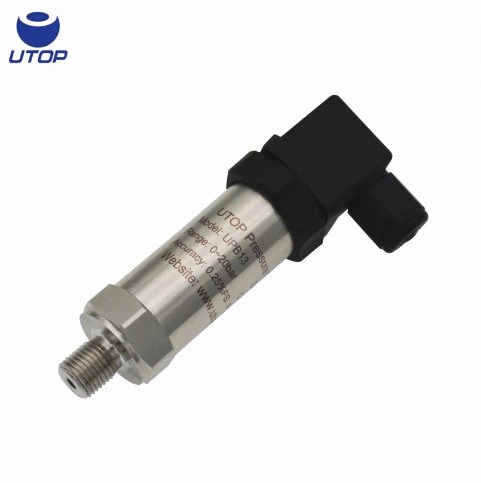
If you're in the market for a pressure transmitter for your corrosive media application, don't hesitate to get in touch with us. We can provide you with expert advice and help you find the perfect solution for your needs. Let's work together to ensure the success of your project!
References
- "Corrosion Resistance of Materials in Chemical Environments", Chemical Engineering Handbook
- "Pressure Transmitter Technology and Applications", Industrial Instrumentation Journal