

Can a MODBUS level sensor be used in HVAC systems?
Apr 29, 2026
Hey there! As a supplier of MODBUS level sensors, I often get asked if these sensors can be used in HVAC (Heating, Ventilation, and Air Conditioning) systems. So, I thought I'd take a few minutes to delve into this topic and share my insights.
First off, let's talk about what MODBUS level sensors are. MODBUS is a communication protocol commonly used in industrial automation systems. It allows different devices to communicate with each other over a serial line or network. A MODBUS level sensor, then, is a sensor that measures the level of a liquid or solid in a tank or container and sends that data using the MODBUS protocol.
Now, onto the big question: can a MODBUS level sensor be used in HVAC systems? The short answer is yes! And here are a few reasons why.
Compatibility and Connectivity
One of the greatest advantages of using a MODBUS level sensor in an HVAC system is its compatibility. Most modern HVAC systems are designed to work with a variety of communication protocols, and MODBUS is one of the most widely supported ones. This means that integrating a MODBUS level sensor into an existing HVAC setup is usually a breeze. You can easily connect the sensor to the HVAC control system, and they'll start talking to each other right away.
Data Accuracy and Reliability
Accurate data is crucial in HVAC systems. Whether it's monitoring the level of refrigerant in a chiller or the water level in a cooling tower, precise measurements ensure that the system operates efficiently and safely. MODBUS level sensors are known for their high accuracy and reliability. They can provide real - time data on the level of the substances they're measuring, allowing the HVAC system to make immediate adjustments as needed. This helps in preventing issues like over - filling or running out of critical fluids, which can lead to system breakdowns and costly repairs.
Remote Monitoring and Control
In today's day and age, remote monitoring and control are becoming increasingly important. With a MODBUS level sensor in an HVAC system, you can easily monitor the level of various fluids from anywhere in the world. The MODBUS protocol allows for remote access to the sensor data, which means you can check the levels on your smartphone, tablet, or computer. This is especially useful for large commercial or industrial HVAC systems where on - site monitoring may not be practical all the time. And if you notice any issues, you can also use the MODBUS communication to send commands to the HVAC system to make necessary adjustments.
Benefits for Specific HVAC Components
Chillers
Chillers are a vital part of many HVAC systems, and they rely on the proper level of refrigerant. A MODBUS level sensor can continuously monitor the refrigerant level in the chiller. If the level drops below a certain point, the HVAC control system can be alerted, and appropriate action can be taken, such as refilling the refrigerant. This helps in maintaining the chiller's performance and extends its lifespan.
Cooling Towers
Cooling towers use water to remove heat from the HVAC system. Monitoring the water level in the cooling tower is essential to ensure its proper operation. A MODBUS level sensor can accurately measure the water level and provide feedback to the system. If the water level gets too low, the system can trigger a refill, and if it gets too high, it can prevent overflow by adjusting the water intake.
Types of MODBUS Level Sensors for HVAC
There are different types of MODBUS level sensors that can be used in HVAC systems. For example, the Temperature and Level Transmitter is a great option. This device not only measures the level but also the temperature, providing more comprehensive data for the HVAC system.
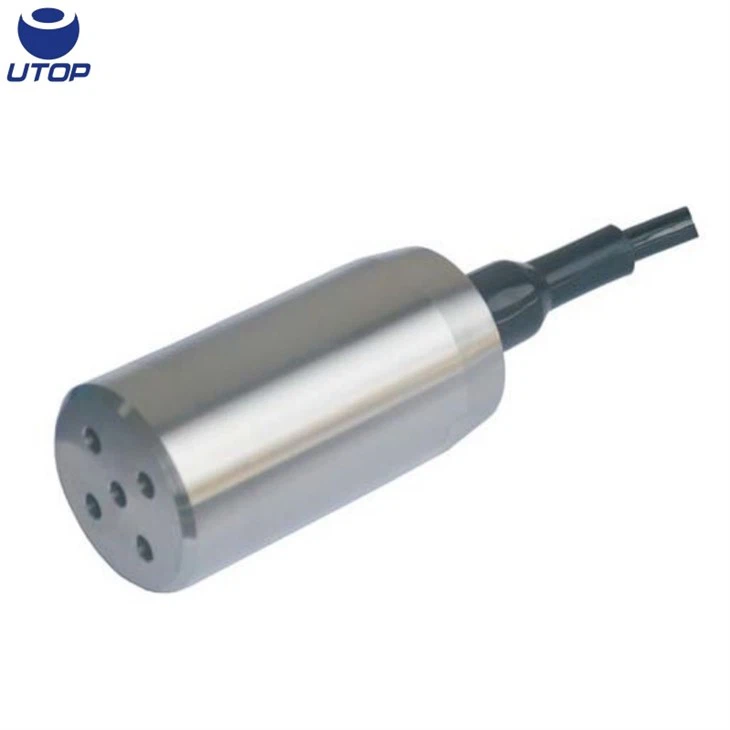

Another option is the Temperature and Level Sensor. It offers high - precision measurements of both level and temperature, making it suitable for various HVAC applications.
If you're looking for a more specialized sensor, the Ceramic Capacitive Level Transmitter can be a good choice. It uses ceramic capacitive technology to provide accurate level measurements, even in harsh environments that are common in some HVAC setups.
Considerations when Using MODBUS Level Sensors in HVAC
Of course, like any technology, there are a few things to consider when using MODBUS level sensors in HVAC systems.
First, you need to make sure that the sensor is rated for the specific conditions of your HVAC application. Different HVAC systems operate at different temperatures, pressures, and with different types of fluids. So, you need to choose a sensor that can withstand these conditions without losing accuracy or reliability.
Second, the installation of the sensor is also important. It should be installed in a location where it can accurately measure the level of the fluid. For example, in a tank, the sensor should be placed at an appropriate height to ensure that it can detect the minimum and maximum levels correctly.
Conclusion
In conclusion, MODBUS level sensors can definitely be used in HVAC systems, and they offer a wide range of benefits. From easy compatibility and connectivity to accurate data collection and remote monitoring, these sensors can enhance the performance and efficiency of your HVAC setup. Whether you're dealing with a small residential HVAC system or a large commercial one, a MODBUS level sensor can be a valuable addition.
If you're interested in learning more about our MODBUS level sensors or are considering using them in your HVAC system, don't hesitate to reach out. We'd be more than happy to discuss your specific needs and help you find the right sensor for your application.
References
- "Industrial Communication Protocols Handbook"
- "HVAC Systems Design and Installation Guide"
- Manufacturer's documentation for MODBUS level sensors