

What is the display format of a digital pressure gauge?
Jan 16, 2026
Hey there! As a digital pressure gauge supplier, I've been getting tons of questions about the display formats of these nifty devices. So, I thought I'd break it down for you in this blog post.
First off, let's talk about why the display format matters. A digital pressure gauge is all about giving you accurate and easy - to - read pressure measurements. The display format can make a huge difference in how quickly and accurately you can get the information you need.
Numeric Display
The most common display format is the numeric display. It's straightforward and easy to understand. You simply see a number that represents the pressure value. For example, if you're measuring the pressure in a tire, the gauge might show "32 PSI". This format is great because it gives you a precise value right away.
Numeric displays can come in different styles. Some have large, bold numbers that are easy to read from a distance. This is super useful in industrial settings where you might be looking at the gauge from across the room. Others have smaller numbers but higher resolution, which means you can get more precise measurements.
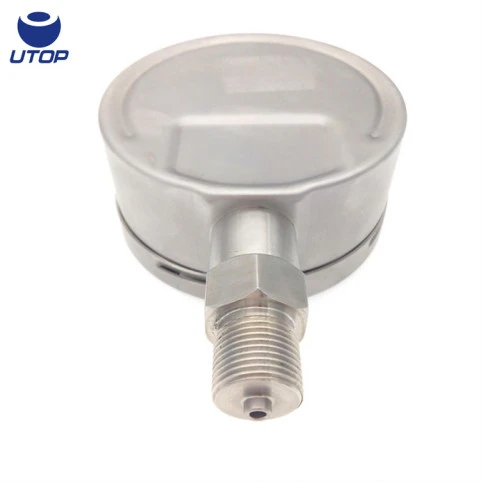
Most of our Stainless Steel Digital Pressure Gauge models feature a numeric display. The stainless - steel housing makes them durable, and the clear numeric display ensures that you can get the pressure readings quickly, even in tough environments.
Bar Graph Display
Another popular format is the bar graph display. Instead of just showing a number, it uses a bar to represent the pressure level. The length or height of the bar corresponds to the pressure. This can be really helpful because it gives you a visual sense of the pressure, almost like a speedometer.
A bar graph display is great for getting a quick overview of the pressure. You can tell at a glance if the pressure is high, low, or in the normal range. For example, if the bar is close to the top of the graph, you know the pressure is high. It's also useful for showing trends in pressure over time.
Our Back Connection Digital Pressure Gauge offers an option for a bar graph display. This type of gauge is often used in applications where quick visual assessment of pressure is crucial, like in some process control systems.
Combination Displays
Some digital pressure gauges use a combination of numeric and bar graph displays. This gives you the best of both worlds. You can get the precise numeric value, as well as a visual representation of the pressure level.
Combination displays are very user - friendly. You can look at the bar graph for a quick check, and if you need the exact number, you can just read the digits. They're often found in displays where operators need to have rapid access to both general and specific pressure information.
The Bottom Connection Digital Pressure Gauge in our product line has a combination display option. Its bottom - connection design makes it easy to install in various setups, and the combination display helps users get the information they need effectively.
Color - Coded Displays
Color - coded displays are becoming more popular, especially in safety - critical applications. In these displays, different colors are used to represent different pressure ranges. For example, green might indicate the normal operating range, yellow could mean that the pressure is approaching a critical level, and red would signal a dangerous high or low pressure.
Color - coded displays are extremely useful for quickly identifying potential problems. They can help prevent accidents by alerting operators immediately when the pressure goes out of the safe range.
Dot Matrix Displays
Dot matrix displays are a bit more versatile. They can show not only numbers and bar graphs but also other symbols and text. This allows for more detailed information to be presented on the gauge.
For example, a dot matrix display can show units of measurement, alarm messages, or calibration instructions. It's a great option if you need a display that can do more than just show pressure values.
Factors to Consider When Choosing a Display Format
When you're deciding which display format is right for your application, there are a few things to keep in mind:
- Usage Environment: If you're in a noisy, busy factory floor, a large, bold numeric or a color - coded display might be best for quick reading. In a laboratory setting, a high - resolution numeric display or a dot matrix display with extra information might be more useful.
- Required Precision: If you need very precise pressure measurements, a numeric display with high resolution is the way to go. For a general sense of pressure, a bar graph or color - coded display could be sufficient.
- User Familiarity: You also need to consider who will be using the gauge. If your operators are used to reading traditional gauges with analog dials, a bar graph display might be more intuitive for them.
Our Offerings
As a digital pressure gauge supplier, we understand that different customers have different needs. That's why we offer a wide range of digital pressure gauges with various display formats. Whether you need a simple numeric display for basic pressure monitoring or a more complex combination or dot matrix display for detailed information, we've got you covered.
Our products are made with high - quality materials and are designed to be reliable and accurate. We continuously work on improving our designs to meet the ever - changing needs of our customers.
Let's Connect
If you're in the market for a digital pressure gauge and are still not sure which display format is right for your application, don't hesitate to reach out. We have a team of experts who can help you choose the best product for your specific requirements. Whether you're a small business or a large industrial corporation, we've got the products and the knowledge to support you.
Get in touch with us to start discussing your digital pressure gauge needs. We're looking forward to helping you find the perfect solution.

References
- Principles of Pressure Measurement, Industrial Instrumentation Handbook
- Digital Display Technology in Pressure Gauges, Journal of Measurement and Control