

What is the difference between a pressure transmitter with a stainless - steel housing and one with a plastic housing?
Apr 15, 2026
When it comes to pressure transmitters, one of the key decisions you'll face is choosing between a stainless - steel housing and a plastic housing. As a pressure transmitter supplier, I've seen firsthand the different applications and user preferences for each type. In this blog, I'll delve into the differences between these two types of pressure transmitters to help you make an informed decision.
1. Material Properties
Stainless - Steel Housing
Stainless steel is a well - known material in industrial applications. It is an alloy composed mainly of iron with a significant amount of chromium, which gives it excellent corrosion resistance. This means that pressure transmitters with stainless - steel housings can withstand harsh environments where moisture, chemicals, or corrosive substances are present. For example, in the chemical processing industry, where various acids and alkalis are used, a stainless - steel pressure transmitter can operate reliably without being damaged by the corrosive agents.
In addition to corrosion resistance, stainless steel is also very strong and durable. It can withstand high mechanical stress, such as impacts and vibrations. This makes it suitable for applications in heavy - duty industries like mining and construction, where the equipment may be subject to rough handling and tough working conditions.
Plastic Housing
Plastic, on the other hand, is a lightweight and cost - effective material. There are different types of plastics used in pressure transmitter housings, such as polycarbonate and ABS. These plastics offer good electrical insulation properties, which can be beneficial in applications where electrical interference needs to be minimized.
Plastic is also relatively easy to mold into complex shapes. This allows for more flexibility in the design of pressure transmitters, enabling manufacturers to create compact and ergonomic devices. However, compared to stainless steel, plastic is generally less resistant to mechanical stress and environmental factors. It may be prone to cracking or deformation under high pressure or extreme temperatures.
2. Environmental Adaptability
Stainless - Steel Housing
As mentioned earlier, stainless - steel pressure transmitters are highly resistant to corrosion, making them ideal for outdoor and marine applications. They can withstand exposure to saltwater, humidity, and extreme weather conditions without significant degradation. For instance, in offshore oil and gas platforms, where the equipment is constantly exposed to the harsh marine environment, stainless - steel pressure transmitters are the preferred choice to ensure long - term reliability.
Stainless steel also has a wide temperature tolerance. It can operate in both high - temperature environments, such as in industrial furnaces, and low - temperature environments, like in cold storage facilities. This versatility makes it suitable for a wide range of industries and applications.
Plastic Housing
Plastic pressure transmitters are more sensitive to environmental conditions. High temperatures can cause the plastic to soften and lose its shape, while low temperatures can make it brittle and more likely to crack. In addition, some plastics may be affected by UV radiation, which can cause them to fade or become brittle over time. Therefore, plastic pressure transmitters are generally more suitable for indoor applications or environments with relatively stable temperature and humidity conditions.
3. Cost Considerations
Stainless - Steel Housing
Pressure transmitters with stainless - steel housings are typically more expensive than those with plastic housings. The cost of stainless steel itself is relatively high, and the manufacturing process for stainless - steel housings is often more complex. Additionally, the high - quality and durability of stainless - steel pressure transmitters mean that they are often used in high - end applications where reliability is crucial. However, considering their long service life and low maintenance requirements, the total cost of ownership over the long term may be more cost - effective in some cases.
Plastic Housing
Plastic pressure transmitters are more budget - friendly. The lower cost of plastic materials and the simpler manufacturing process make them an attractive option for cost - sensitive applications. For small - scale businesses or projects with limited budgets, plastic pressure transmitters can provide a cost - effective solution without sacrificing too much in terms of performance for less demanding applications.
4. Application Scenarios
Stainless - Steel Housing
- Industrial Automation: In industrial automation systems, where precision and reliability are essential, stainless - steel pressure transmitters are often used. They can accurately measure pressure in various processes, such as in hydraulic systems, pneumatic systems, and chemical reactions. For example, a Piezoresistive Pressure Transmitter with a stainless - steel housing can provide accurate pressure readings in a hydraulic press, ensuring the proper operation of the equipment.
- Oil and Gas Industry: As mentioned before, the oil and gas industry requires equipment that can withstand harsh environments. Stainless - steel pressure transmitters are used in wellheads, pipelines, and refineries to monitor pressure and ensure the safety and efficiency of the operations.
Plastic Housing
- HVAC Systems: In heating, ventilation, and air - conditioning (HVAC) systems, plastic pressure transmitters are commonly used. These systems typically operate in indoor environments with relatively stable conditions, and the lower cost and lightweight nature of plastic pressure transmitters make them a suitable choice. For example, a G1/2 Water Pressure Transmitter with a plastic housing can be used to monitor the water pressure in an HVAC system.
- Home Appliances: Plastic pressure transmitters are also used in home appliances such as washing machines and dishwashers. They are used to measure the water pressure and ensure the proper functioning of the appliances.
5. Aesthetic and Design Considerations
Stainless - Steel Housing
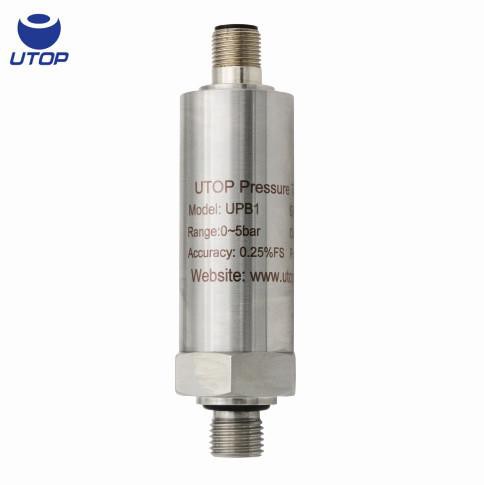
Stainless - steel pressure transmitters have a sleek and professional appearance. The metallic finish gives them a high - end look, which can be important in some applications where the appearance of the equipment matters. In addition, the smooth surface of stainless steel is easy to clean, which is beneficial in applications where hygiene is a concern, such as in the food and beverage industry.
Plastic Housing
Plastic pressure transmitters can be available in a variety of colors, which can be useful for color - coding or aesthetic purposes. The ability to mold plastic into different shapes also allows for more creative and user - friendly designs. For example, a plastic pressure transmitter can be designed with a more ergonomic shape for easy installation and operation.

Making the Right Choice
When choosing between a pressure transmitter with a stainless - steel housing and one with a plastic housing, you need to consider several factors. If you are working in a harsh environment with high corrosion risk, mechanical stress, or extreme temperatures, a stainless - steel pressure transmitter is likely the better choice. On the other hand, if you are on a tight budget and your application is in a relatively stable indoor environment, a plastic pressure transmitter may be sufficient.
As a pressure transmitter supplier, we offer a wide range of products, including Gas Pressure Transmitter, G1/2 Water Pressure Transmitter, and Piezoresistive Pressure Transmitter with both stainless - steel and plastic housings. We can help you select the most suitable product based on your specific requirements.
If you are interested in our pressure transmitters or have any questions about the differences between stainless - steel and plastic housing pressure transmitters, please feel free to contact us. We are ready to assist you in making the right decision for your application.
References
- ASM International. (2004). Stainless Steels: ASM Specialty Handbook. ASM International.
- Plastics Europe. (2020). Plastics – The Facts 2020. Plastics Europe.
- Instrumentation, Systems, and Automation Society. (2015). Pressure Measurement: Fundamentals and Applications. ISA.