

How to protect a pressure transmitter from over - pressure?
Apr 10, 2026
How to protect a pressure transmitter from over - pressure?
As a well - established pressure transmitter supplier, I understand the critical importance of protecting these devices from over - pressure situations. Pressure transmitters are essential components in various industrial applications, including oil and gas, chemical processing, and water treatment. Over - pressure can lead to inaccurate measurements, damage to the transmitter, and even pose safety risks in some environments. In this blog, I will share some effective strategies to safeguard pressure transmitters from over - pressure.
Understanding the Risks of Over - Pressure
Before delving into the protection methods, it's crucial to understand the potential consequences of over - pressure on a pressure transmitter. When a transmitter is subjected to pressure beyond its rated capacity, the diaphragm, which is a key sensing element, can be permanently deformed. This deformation can cause the transmitter to provide inaccurate readings, leading to process inefficiencies and potential safety hazards. In severe cases, the over - pressure can cause the transmitter to fail completely, resulting in costly downtime and replacement.
1. Select the Right Pressure Transmitter
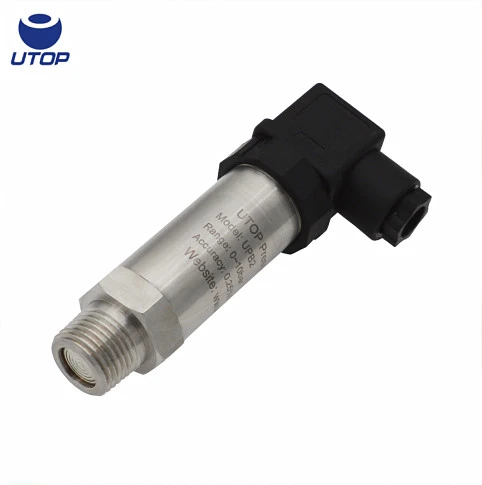
The first step in protecting a pressure transmitter from over - pressure is to choose the right one for the application. We offer a wide range of pressure transmitters, such as the Pressure Transmitter with Indicator, Competitive Pressure Transmitter, and Flush Diaphragm Pressure Transmitter. When selecting a transmitter, consider the maximum pressure that the system may encounter. It's advisable to choose a transmitter with a higher pressure rating than the expected normal operating pressure. For example, if the normal operating pressure in a system is 100 psi, a transmitter with a rating of 150 or 200 psi would provide a safety margin.
2. Install Pressure Relief Valves
Pressure relief valves are an effective way to protect pressure transmitters from over - pressure. These valves are designed to open when the pressure in the system exceeds a pre - set limit, allowing the excess pressure to be released. By installing a pressure relief valve upstream of the pressure transmitter, you can ensure that the pressure reaching the transmitter does not exceed its rated capacity. When selecting a pressure relief valve, make sure it has a suitable flow capacity and a reliable opening and closing mechanism.

3. Use Pressure Limiters
Pressure limiters are another option for protecting pressure transmitters. These devices are installed in the pressure line and are designed to restrict the pressure to a safe level. Pressure limiters work by either reducing the pressure or shutting off the flow when the pressure exceeds a certain threshold. They can be mechanical or electronic, depending on the specific requirements of the application. Electronic pressure limiters offer more precise control and can be easily integrated into a control system.
4. Implement Monitoring and Alarm Systems
Monitoring the pressure in the system is essential for detecting over - pressure situations early. Install pressure sensors and monitoring devices that can continuously measure the pressure and send signals to a control room or a monitoring system. Set up alarm systems that will alert operators when the pressure approaches or exceeds the safe limit. This allows operators to take immediate action, such as adjusting the process parameters or shutting down the system, to prevent damage to the pressure transmitter.
5. Provide Adequate Training to Operators
Operators play a crucial role in protecting pressure transmitters from over - pressure. Provide comprehensive training to operators on the proper operation and maintenance of the pressure transmitters and the associated systems. Train them to recognize the signs of over - pressure, such as abnormal readings or unusual noises, and to take appropriate actions. Make sure operators are aware of the safety procedures and the importance of following them to prevent over - pressure incidents.
6. Regular Maintenance and Inspection
Regular maintenance and inspection of pressure transmitters are essential for ensuring their proper functioning and protection from over - pressure. Schedule routine maintenance checks to clean the transmitters, check for any signs of damage or wear, and calibrate them as needed. Inspect the pressure relief valves and pressure limiters to ensure they are working correctly. Replace any worn - out or damaged components promptly to prevent over - pressure situations.
7. Consider Redundancy
In critical applications, consider implementing redundancy in the pressure measurement system. Install multiple pressure transmitters in parallel, so that if one transmitter fails due to over - pressure or other reasons, the others can continue to provide accurate measurements. This can help to minimize the impact of a single transmitter failure on the overall process and ensure the safety and reliability of the system.
Conclusion
Protecting pressure transmitters from over - pressure is crucial for ensuring their accuracy, reliability, and longevity. By following the strategies outlined in this blog, such as selecting the right transmitter, installing pressure relief valves and limiters, implementing monitoring and alarm systems, providing operator training, and performing regular maintenance, you can effectively safeguard your pressure transmitters from over - pressure situations.
If you are interested in purchasing high - quality pressure transmitters or need further advice on protecting them from over - pressure, please feel free to contact us. We are committed to providing you with the best products and solutions for your pressure measurement needs.
References
- [Pressure Transmitter Handbook], Manufacturer's Guide
- Industrial Pressure Measurement Standards, Industry Publications