

How long does the battery of a digital manometer last?
Jan 21, 2026
As a supplier of digital manometers, one of the most frequently asked questions I encounter is about the battery life of these devices. In this blog post, I'll delve into the factors that influence the battery life of a digital manometer and provide some insights on how long you can expect the battery to last.
Understanding Digital Manometers
Before we discuss battery life, let's briefly understand what a digital manometer is. A digital manometer is a precision instrument used to measure pressure. It offers several advantages over traditional analog manometers, such as higher accuracy, easier readability, and the ability to store and transfer data. Digital manometers are widely used in various industries, including HVAC, automotive, and industrial manufacturing.
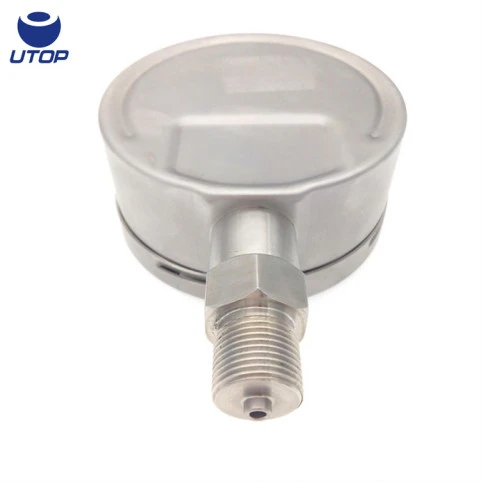
There are different types of digital manometers available in the market, each designed for specific applications. For instance, you can find Air Digital Pressure Gauge for measuring air pressure, Stainless Steel Digital Pressure Gauge which are more durable and suitable for harsh environments, and Battery Power Digital Pressure Gauge that offer portability.
Factors Affecting Battery Life
The battery life of a digital manometer is influenced by several factors. Understanding these factors can help you manage your device's power consumption and extend the battery life.
1. Battery Type and Capacity
The type and capacity of the battery used in the digital manometer play a crucial role in determining its battery life. Most digital manometers use either alkaline or lithium batteries. Alkaline batteries are more common and affordable, but they generally have a shorter lifespan compared to lithium batteries. Lithium batteries, on the other hand, offer a higher energy density, which means they can store more energy and last longer.
The capacity of the battery, measured in milliampere - hours (mAh), also affects how long the battery will last. A higher mAh rating indicates that the battery can supply more current over a longer period. For example, a battery with a capacity of 2000 mAh will generally last longer than one with a capacity of 1000 mAh, assuming all other factors are equal.
2. Display and Backlight
The display of a digital manometer is one of the major power consumers. If the manometer has a large, high - resolution display, it will consume more power than a smaller, lower - resolution one. Additionally, if the device has a backlight, the use of the backlight can significantly reduce the battery life. Turning off the backlight when it's not needed can help conserve battery power.
3. Measurement Frequency
The frequency at which the digital manometer takes measurements also affects the battery life. If the device is set to take measurements continuously or at a high frequency, it will consume more power compared to when it's set to take measurements at a lower frequency. For example, if you're using the manometer to monitor a relatively stable pressure, you can set it to take measurements less frequently to save battery.
4. Additional Features
Many modern digital manometers come with additional features such as data logging, wireless connectivity, and alarms. These features enhance the functionality of the device but also consume additional power. For instance, data logging requires the device to store measurement data in its memory, which uses up battery power. Similarly, wireless connectivity, such as Bluetooth or Wi - Fi, consumes power to establish and maintain a connection.
Typical Battery Life Expectations
The battery life of a digital manometer can vary widely depending on the factors mentioned above. On average, a digital manometer with alkaline batteries can last anywhere from 50 to 200 hours of continuous use. This estimate is based on normal operating conditions, such as a moderate measurement frequency and no excessive use of additional features.
If the digital manometer uses lithium batteries, the battery life can be significantly longer. Lithium - powered manometers can last up to 500 hours or more of continuous use. However, it's important to note that these are just rough estimates, and the actual battery life may be different depending on the specific model and how the device is used.
Tips to Extend Battery Life
Here are some tips to help you extend the battery life of your digital manometer:
1. Use High - Quality Batteries
Invest in high - quality batteries, especially lithium batteries if your device supports them. High - quality batteries have a higher energy density and are less likely to leak or fail prematurely.
2. Turn Off Unnecessary Features
As mentioned earlier, additional features such as the backlight, data logging, and wireless connectivity consume extra power. Turn off these features when they're not needed. For example, if you're working in a well - lit area, you can turn off the backlight.
3. Adjust Measurement Frequency
If the pressure you're measuring is relatively stable, reduce the measurement frequency. This will reduce the power consumption of the device.
4. Store the Device Properly
When not in use, store the digital manometer in a cool, dry place. Extreme temperatures can affect the performance and lifespan of the batteries. If you're not going to use the device for an extended period, remove the batteries to prevent them from leaking and damaging the device.
Conclusion
The battery life of a digital manometer is influenced by multiple factors, including battery type, display features, measurement frequency, and additional functions. By understanding these factors and following the tips provided, you can effectively manage the power consumption of your device and extend its battery life.

If you're in the market for a digital manometer or have any questions about battery life or our products, we're here to help. Our team of experts can provide you with detailed information and guidance to help you choose the right digital manometer for your needs. Contact us to start a procurement discussion and find the perfect solution for your pressure measurement requirements.
References
- "Handbook of Pressure Measurement", John Wiley & Sons
- Manufacturer's manuals of various digital manometers