

Can a temperature gauge measure the temperature of a refrigerator?
Oct 22, 2026
As a supplier of temperature gauges, I often encounter inquiries about the versatility of our products. One common question that arises is whether a temperature gauge can measure the temperature of a refrigerator. In this blog post, I will delve into this topic, exploring the capabilities of temperature gauges and their suitability for refrigerator temperature measurement.
Understanding Temperature Gauges
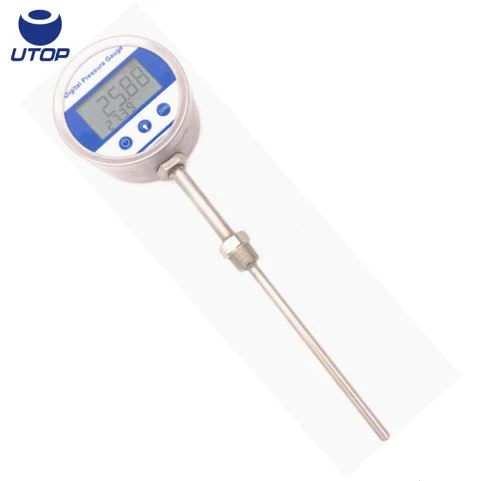
Temperature gauges are devices designed to measure and display the temperature of a particular environment or object. They come in various types, each with its own set of features and applications. Some of the most common types of temperature gauges include Oil Temperature Gauge, 4-digit Temperature Gauge, and Digital Temperature Gauge.
These gauges operate based on different principles, such as thermocouples, resistance temperature detectors (RTDs), or thermistors. Thermocouples work by generating a voltage proportional to the temperature difference between two junctions, while RTDs rely on the change in electrical resistance with temperature. Thermistors, on the other hand, are semiconductor devices whose resistance changes significantly with temperature.
Measuring Refrigerator Temperature
Refrigerators are essential appliances in our daily lives, used to store food and beverages at a safe temperature. Maintaining the proper temperature inside a refrigerator is crucial to prevent food spoilage and ensure food safety. This is where temperature gauges come in handy.
A temperature gauge can be used to measure the temperature inside a refrigerator accurately. By placing the gauge inside the refrigerator, you can monitor the temperature and ensure that it remains within the recommended range. Most refrigerators are designed to maintain a temperature between 35°F and 40°F (1.7°C and 4.4°C) in the fresh food compartment and 0°F (-17.8°C) in the freezer compartment.
However, it is important to note that not all temperature gauges are suitable for measuring refrigerator temperature. Some gauges may have a limited temperature range or may not be accurate enough for the precise temperature control required in a refrigerator. Therefore, it is essential to choose a temperature gauge that is specifically designed for refrigerator applications.
Factors to Consider When Choosing a Temperature Gauge for a Refrigerator
When selecting a temperature gauge for a refrigerator, several factors need to be considered to ensure accurate and reliable temperature measurement. These factors include:
- Temperature Range: The gauge should have a temperature range that covers the typical operating temperature of a refrigerator. Most refrigerators operate within a temperature range of 0°F to 40°F (-17.8°C to 4.4°C), so the gauge should be able to measure temperatures within this range.
- Accuracy: The gauge should be accurate enough to provide reliable temperature readings. A high level of accuracy is crucial for maintaining the proper temperature inside the refrigerator and ensuring food safety.
- Response Time: The gauge should have a fast response time to provide real-time temperature readings. This is especially important when monitoring the temperature during defrost cycles or when the refrigerator door is opened and closed frequently.
- Mounting Options: The gauge should be easy to install and mount inside the refrigerator. It should also be able to withstand the cold and humid environment inside the refrigerator.
- Display Type: The gauge should have a clear and easy-to-read display. Digital gauges are often preferred for their accuracy and readability.
Benefits of Using a Temperature Gauge in a Refrigerator
Using a temperature gauge in a refrigerator offers several benefits, including:

- Food Safety: By monitoring the temperature inside the refrigerator, you can ensure that food is stored at a safe temperature, reducing the risk of food spoilage and foodborne illnesses.
- Energy Efficiency: Maintaining the proper temperature inside the refrigerator can help reduce energy consumption and lower your electricity bills.
- Peace of Mind: Knowing that the temperature inside the refrigerator is within the recommended range can give you peace of mind and confidence in the safety of your food.
Conclusion
In conclusion, a temperature gauge can indeed measure the temperature of a refrigerator. By choosing the right temperature gauge and installing it correctly, you can accurately monitor the temperature inside the refrigerator and ensure that it remains within the recommended range. This not only helps to maintain food safety but also improves energy efficiency and provides peace of mind.
If you are in the market for a temperature gauge for your refrigerator or have any questions about our products, please feel free to contact us. We are a leading supplier of temperature gauges and can provide you with the best solutions for your temperature measurement needs.
References
- ASHRAE Handbook of Fundamentals. American Society of Heating, Refrigerating and Air-Conditioning Engineers.
- Food Safety and Inspection Service. U.S. Department of Agriculture.
- International Electrotechnical Commission (IEC) standards for temperature measurement devices.