

Can a temperature gauge be used in a refrigerator?
May 12, 2026
Can a temperature gauge be used in a refrigerator? That's a question I get asked a lot as a temperature gauge supplier. I'm here to give you the lowdown on whether it's possible, the benefits, and what to look out for.
Why Consider Using a Temperature Gauge in Your Refrigerator?
Refrigerators are essential appliances in our homes and businesses. They keep our food fresh and safe to eat. But how do you know if your fridge is maintaining the right temperature? That's where a temperature gauge comes in handy.
A temperature gauge allows you to monitor the temperature inside your refrigerator accurately. This is crucial because different types of food require different storage temperatures to stay fresh. For example, meat and dairy products need to be kept at lower temperatures to prevent spoilage, while fruits and vegetables can tolerate slightly warmer conditions.
By using a temperature gauge, you can ensure that your fridge is operating within the optimal temperature range for each type of food. This not only helps to extend the shelf life of your food but also reduces the risk of foodborne illnesses.
Types of Temperature Gauges Suitable for Refrigerators
As a temperature gauge supplier, I offer a variety of gauges that are suitable for use in refrigerators. Let's take a look at some of the popular options:
4 - digit Temperature Gauge
The 4 - digit Temperature Gauge is a great choice for those who need precise temperature readings. It typically displays the temperature with four digits, allowing you to see the exact temperature inside your fridge. This level of accuracy is especially important for commercial refrigerators or for home users who are very particular about food storage.
Oil Temperature Gauge
Although the name might suggest it's only for oil, some Oil Temperature Gauges can also be used in refrigerators. These gauges are designed to be durable and can withstand the cold and damp conditions inside a fridge. They are often used in industrial applications but can also be a reliable option for home refrigerators.
Digital Temperature Gauge
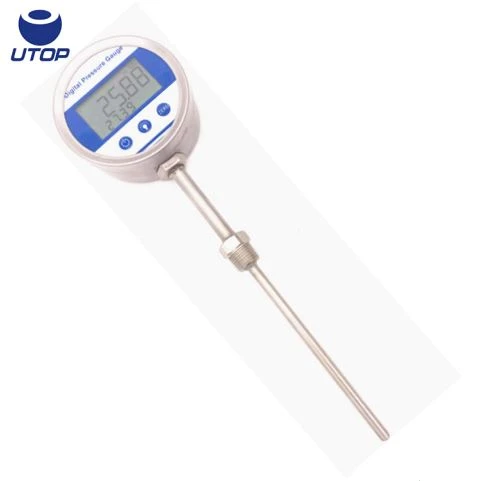
Digital temperature gauges like the Digital Temperature Gauge are very popular due to their ease of use. They usually have a large, easy - to - read display that shows the temperature clearly. Many digital temperature gauges also come with additional features such as alarms that can alert you if the temperature goes out of the desired range.
How to Choose the Right Temperature Gauge for Your Refrigerator
When choosing a temperature gauge for your refrigerator, there are several factors to consider:
Accuracy
The accuracy of the temperature gauge is crucial. You want a gauge that can provide reliable and precise temperature readings. Look for gauges with a high level of accuracy, usually specified in the product description.
Temperature Range
Make sure the temperature gauge can measure the temperature range that your refrigerator operates in. Most refrigerators keep the temperature between 0°C and 5°C (32°F and 41°F), but some may have different settings.
Durability
Since the gauge will be inside the fridge, it needs to be durable enough to withstand the cold and damp environment. Look for gauges made from high - quality materials that are resistant to corrosion.
Ease of Use
Choose a gauge that is easy to install and read. Digital gauges are generally easier to read than analog ones, and some come with features like backlighting for better visibility.
Installation and Maintenance
Installing a temperature gauge in your refrigerator is usually a straightforward process. Most gauges come with instructions on how to install them properly. You can typically place the gauge inside the fridge on a shelf or attach it to the wall using adhesive or a bracket.
Maintenance is also relatively easy. Keep the gauge clean by wiping it with a soft, damp cloth from time to time. If your gauge has a battery, make sure to replace it when it runs out.
Potential Challenges
While using a temperature gauge in a refrigerator is generally a good idea, there are a few potential challenges to be aware of.
Condensation
The cold and damp environment inside the fridge can cause condensation to form on the gauge. This can sometimes affect the accuracy of the readings or damage the gauge over time. To prevent this, make sure the gauge is properly sealed and try to avoid opening the fridge door too frequently.
Placement
The placement of the gauge can also affect the accuracy of the readings. If the gauge is placed too close to the freezer compartment or near the door, it may not give an accurate representation of the overall temperature inside the fridge. Try to place the gauge in a central location on a middle shelf.
Conclusion
So, can a temperature gauge be used in a refrigerator? Absolutely! Using a temperature gauge in your refrigerator is a smart way to ensure that your food stays fresh and safe. With the right temperature gauge, you can take control of your fridge's temperature and make sure it's operating at its best.
If you're interested in purchasing a temperature gauge for your refrigerator or have any questions, feel free to reach out. We're here to help you find the perfect gauge for your needs and assist you in making the best decision for your food storage.

References
- General knowledge about temperature gauges and refrigerators based on industry experience.
- Product specifications and features provided by the manufacturers of the temperature gauges.