

What is the role of the pressure port in a pressure transmitter?
Jul 01, 2026
Hey there! As a supplier of pressure transmitters, I'm super excited to dive into the topic of what the role of the pressure port in a pressure transmitter is. It might seem like a small part, but it plays a huge role in how these devices work.
Let's start by understanding what a pressure port is. Think of it as the entry point for pressure into the pressure transmitter. It's like the door through which the pressure gets in and starts the whole measuring process. Without a proper pressure port, the pressure transmitter wouldn't be able to accurately measure the pressure of whatever fluid or gas it's supposed to monitor.
One of the main functions of the pressure port is to allow the pressure to reach the sensing element inside the transmitter. The sensing element is the heart of the pressure transmitter, and it's what actually measures the pressure. When the pressure enters through the pressure port, it exerts a force on the sensing element, which then converts this force into an electrical signal. This electrical signal can then be further processed and displayed as a pressure reading.
The design of the pressure port is crucial for accurate pressure measurement. It needs to be carefully engineered to ensure that the pressure is transmitted smoothly and accurately to the sensing element. For example, the size and shape of the pressure port can affect how the pressure is distributed and how quickly it reaches the sensing element. A well - designed pressure port will minimize any pressure losses or fluctuations that could lead to inaccurate readings.
Another important aspect is the material of the pressure port. It has to be able to withstand the pressure and the properties of the fluid or gas it's in contact with. If the pressure port is made of a material that's not compatible with the medium, it could corrode or degrade over time, which would affect the performance of the pressure transmitter. For instance, if you're measuring the pressure of a corrosive chemical, you'll need a pressure port made of a corrosion - resistant material like stainless steel.
Now, let's talk about some of the different types of pressure transmitters we offer and how the pressure port fits into each of them.
First up, we have the Piezoresistive Pressure Transmitter. In this type of transmitter, the pressure port allows the pressure to act on a piezoresistive sensing element. The piezoresistive effect causes a change in the electrical resistance of the sensing element when pressure is applied. The pressure port needs to be designed in a way that ensures the pressure is evenly distributed across the sensing element for accurate measurement.
Then there's the 4 - digit Pressure Transmitter. This transmitter is known for its high - precision measurement. The pressure port in this device is engineered to provide a stable and accurate pressure input to the internal components. It helps in maintaining the high level of accuracy that the 4 - digit display is capable of showing.
And we also have the 0 - 10V Pressure Transmitter. Here, the pressure port is responsible for getting the pressure to the sensing mechanism, which then converts the pressure into a voltage signal in the range of 0 - 10V. A good pressure port design ensures that the pressure is accurately represented in the output voltage.
The pressure port also has a role in protecting the internal components of the pressure transmitter. It acts as a barrier between the external environment and the sensitive sensing element. It can prevent dust, dirt, and other contaminants from entering the transmitter and causing damage. This is especially important in industrial environments where there might be a lot of debris in the air or in the fluid being measured.
In addition, the pressure port can be designed to handle different pressure ranges. Some applications require measuring very low pressures, while others need to measure extremely high pressures. The size and construction of the pressure port can be adjusted to suit these different requirements. For low - pressure applications, a smaller and more sensitive pressure port might be used, while for high - pressure applications, a more robust and larger pressure port is needed.
When it comes to installation, the pressure port also needs to be properly connected. It should be connected to the source of pressure in a way that minimizes any leaks. A leaky pressure port can lead to inaccurate pressure readings and can also be a safety hazard in some cases. So, proper installation and sealing of the pressure port are essential for the reliable operation of the pressure transmitter.

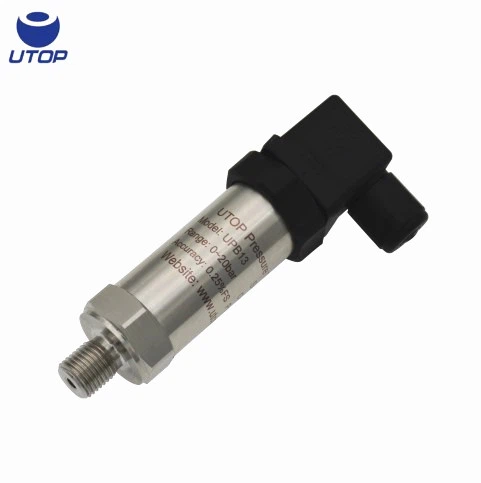
Now, if you're in the market for a pressure transmitter, you might be wondering which one is right for your application. Well, that depends on a few factors. First, you need to consider the type of pressure you're measuring (e.g., gauge pressure, absolute pressure, differential pressure). Then, think about the pressure range, the accuracy requirements, and the environment in which the transmitter will be used.
Our team of experts is here to help you make the right choice. We've got a wide range of pressure transmitters, each with its own unique features and capabilities. Whether you need a simple pressure transmitter for a basic application or a high - end, precision device for a complex industrial process, we've got you covered.
If you're interested in learning more about our pressure transmitters or have any questions about the role of the pressure port or any other aspect of these devices, don't hesitate to get in touch. We're always happy to have a chat and discuss your specific needs. You can reach out to us and start a conversation about how our pressure transmitters can meet your requirements.
In conclusion, the pressure port is a vital part of a pressure transmitter. It's not just a simple opening; it's a carefully designed component that enables accurate pressure measurement, protects the internal components, and ensures the reliable operation of the device. Whether you're in the manufacturing, oil and gas, or any other industry that requires pressure monitoring, understanding the role of the pressure port can help you make better decisions when it comes to choosing the right pressure transmitter for your needs.
References
- Principles of Pressure Measurement, various industry textbooks
- Manufacturer's guides for pressure transmitters